Category: Advice

  • How much does an air dome cost?

    How much does an air dome cost?

    How much does an air dome cost?

    When considering the construction of an air dome, it’s important to evaluate the costs involved. HeroX air domes offer a cost-effective alternative to traditional building structures, thanks to their minimal site preparation requirements. Unlike conventional buildings, HeroX air domes do not require a full concrete foundation or extensive framing, which significantly reduces initial construction costs. Additionally, they often benefit from more lenient permitting requirements in many countries due to their non-permanent nature.

    Generally prices range:

    United States between 10 to 50 dollars per square feet.

    Europe between 50 to 250 euros per square meter.

    The prices are significantly different between markets due to the different standards for fire safety and energy certifications required.

    ‍

    Membrane Maintenance

    One of the key advantages of HeroX air domes is the low maintenance requirement for the membrane. No special maintenance is needed, making it a convenient and cost-effective option for owners.

    Machinery and HVAC Maintenance

    While daily maintenance is not required for the machinery and HVAC units in HeroX air domes, periodic inspections and regular servicing (such as oil changes and belt replacements) are recommended to ensure optimal operation.

    Air Dome Lifespan

    HeroX air domes are built to last, with an expected lifespan of 30+ years in standard weather conditions. This durability makes them a long-term investment for various applications.

    Warranty Period

    HeroX offers a warranty of 5-20 years on the fabric and up to 2 years on other equipment, providing owners with peace of mind regarding the quality and longevity of their investment.

    Custom Design and Pricing

    Every HeroX air dome is custom-designed to meet specific requirements. The price of an air dome depends on these unique specifications. To get a clearer understanding of the costs and pricing for your specific project, contact us directly.

    In summary, HeroX air domes present a cost-efficient, durable, and low-maintenance alternative to traditional building structures, with the added benefit of custom design to fit specific needs.

  • How to Choose the Right Air Dome

    How to Choose the Right Air Dome

    How to Choose the Right Air Dome: A Complete Guide

    Air domes are a game-changing solution for sports, events, storage, and industrial applications. But with so many options available, how do you choose the right air dome for your needs?

    This guide will walk you through the most important factors to consider when selecting an air dome, ensuring you make an informed decision that fits your budget, space, and long-term goals.

    ‍

    ✅ 1. Define Your Purpose

    Before diving into technical details, start by identifying how you will use the air dome. Different applications require different features.

    • Sports & Recreation – Tennis, soccer, swimming pools, basketball, golf, and multi-sport facilities
    • ‍Events & Exhibitions – Concerts, conferences, trade shows, and special events
    • Storage & Warehousing – Industrial storage, logistics centers, aircraft hangars‍
    • Agriculture – Livestock shelters, greenhouses, weather protection for crops‍
    • Emergency & Military Use – Disaster relief, field hospitals, rapid deployment shelters

    Each use case requires specific size, insulation, and ventilation considerations, so having a clear purpose helps narrow down your options.

    ‍

    ✅ 2. Consider Size and Space Requirements

    The size of your air dome depends on the following:

    • ‍Available Land – Measure the total area to ensure the dome fits comfortably‍
    • Ceiling Height Needs – Some sports (like soccer or golf) require higher ceilings than others (like tennis)‍
    • Capacity – How many people, players, or equipment will be inside at once?‍
    • Future Expansion – Will you need to expand or modify the structure later?

    Larger domes provide more flexibility but come with higher operational costs, so balancing space and budget is key.

    ‍

    ✅ 3. Choose the Right Fabric and Insulation

    Air domes are made from durable, high-performance materials, but not all fabrics are the same. Consider:

    • Standard PVC-Coated Fabric – Strong, weather-resistant, and long-lasting
    • ‍Insulated Fabrics – Helps regulate temperature and reduce energy costs‍
    • Transparent or Translucent Options – Allows natural light inside, reducing the need for artificial lighting‍
    • Fire-Retardant Materials – Ensures compliance with safety regulations

    If you’re in an extreme climate, selecting the right insulation is critical for keeping heating and cooling costs manageable.

    ‍

    ✅ 4. Assess Weather Resistance and Durability

    Different locations experience different environmental challenges, so your air dome must be designed to withstand local conditions. Look for:

    • ‍Wind Load Capacity – Ensure the structure can handle strong winds‍
    • Snow Load Tolerance – If you’re in a snowy area, reinforced structures may be necessary‍
    • UV & Weather Protection – High-quality coatings help resist sun, rain, and temperature fluctuations‍
    • Backup Systems – Power outages can impact pressurization, so emergency systems are crucial

    Choosing a dome that meets local building codes ensures long-term durability and safety.

    ‍

    ✅ 5. Understand Heating, Cooling, and Ventilation

    Climate control is one of the biggest factors affecting operating costs. Consider:

    • Ventilation Systems – Essential for air circulation and preventing condensation
    • ‍Heating Options – Gas, electric, or solar-powered heating for cold climates‍
    • Cooling Solutions – Air conditioning or evaporative cooling for hot regions‍
    • Energy Efficiency – Insulated domes reduce energy consumption and lower costs

    A well-designed HVAC system ensures a comfortable indoor environment all year round.

    ‍

    ✅ 6. Look at Entrance and Access Options

    Air domes require specialized entrances to maintain air pressure. Choose the right access points based on usage:

    • ‍Revolving Doors – The most energy-efficient for maintaining internal pressure‍
    • Airlocks & Vestibules – Prevents sudden pressure loss while allowing easy access‍
    • Garage Doors – Needed for vehicle or equipment entry‍
    • Emergency Exits – Must meet safety regulations for quick evacuation

    The right entrance system ensures smooth traffic flow while keeping the dome stable.

    ‍

    ✅ 7. Consider Energy Efficiency and Sustainability

    A well-designed air dome can cut operational costs with energy-efficient features. Look for:

    • LED Lighting – Reduces power consumption and provides even illumination
    • ‍Solar Power Compatibility – Offsets electricity costs with renewable energy‍
    • Smart Climate Control – Automated temperature adjustments for efficiency‍
    • High-Performance Insulation – Minimizes heating and cooling expenses

    Sustainable features help reduce long-term costs while keeping the dome environmentally friendly.

    ‍

    ✅ 8. Evaluate Installation Time and Logistics

    Air domes are known for quick installation, but planning is still essential. Consider:

    • Site Preparation – Some domes need minimal foundations, while others require concrete pads
    • ‍Permits & Regulations – Local zoning laws and building permits may be required‍
    • Installation Time – Typically ranges from a few weeks to a couple of months
    • Relocation Needs – Some domes can be dismantled and moved easily

    Proper planning ensures a smooth installation process without unexpected delays.

    ‍

    ✅ 9. Maintenance and Long-Term Costs

    Air domes are low-maintenance compared to traditional buildings, but regular upkeep is still required. Check:

    • Durability of Fabric & Materials – High-quality domes last 20+ years with proper care
    • ‍Blower & HVAC System Maintenance – Regular checks keep air pressure and temperature stable‍
    • Cleaning & Repairs – Patching small tears early prevents costly replacements‍
    • Annual Inspections – Ensures safety compliance and peak performance

    Investing in a quality dome upfront reduces future maintenance costs and extends lifespan.

    ‍

    ✅ 10. Compare Pricing and Financing Options

    Budget is always a key factor, but choosing the cheapest option isn’t always the best. When comparing prices, look at:

    • Initial Purchase Cost – Factors include size, materials, and included systems
    • ‍Installation Fees – Some providers offer turnkey solutions, while others require separate contractors‍
    • Operating Costs – Energy consumption, heating/cooling, and maintenance should be considered‍
    • Financing Options – Leasing, sponsorships, and grants can help fund your project

    A well-planned budget ensures maximum value without unexpected financial burdens.

    ‍

    Make the Right Choice for Your Air Dome

    Choosing the right air dome depends on purpose, size, climate needs, budget, and future expansion plans. By considering these factors, you can invest in an air dome that provides long-term value, durability, and efficiency.

    If you’re ready to explore the best air dome for your needs, get in touch today and let’s find the perfect fit for your project!
    ‍

  • How to Prepare Your Dome for Snow

    How to Prepare Your Dome for Snow

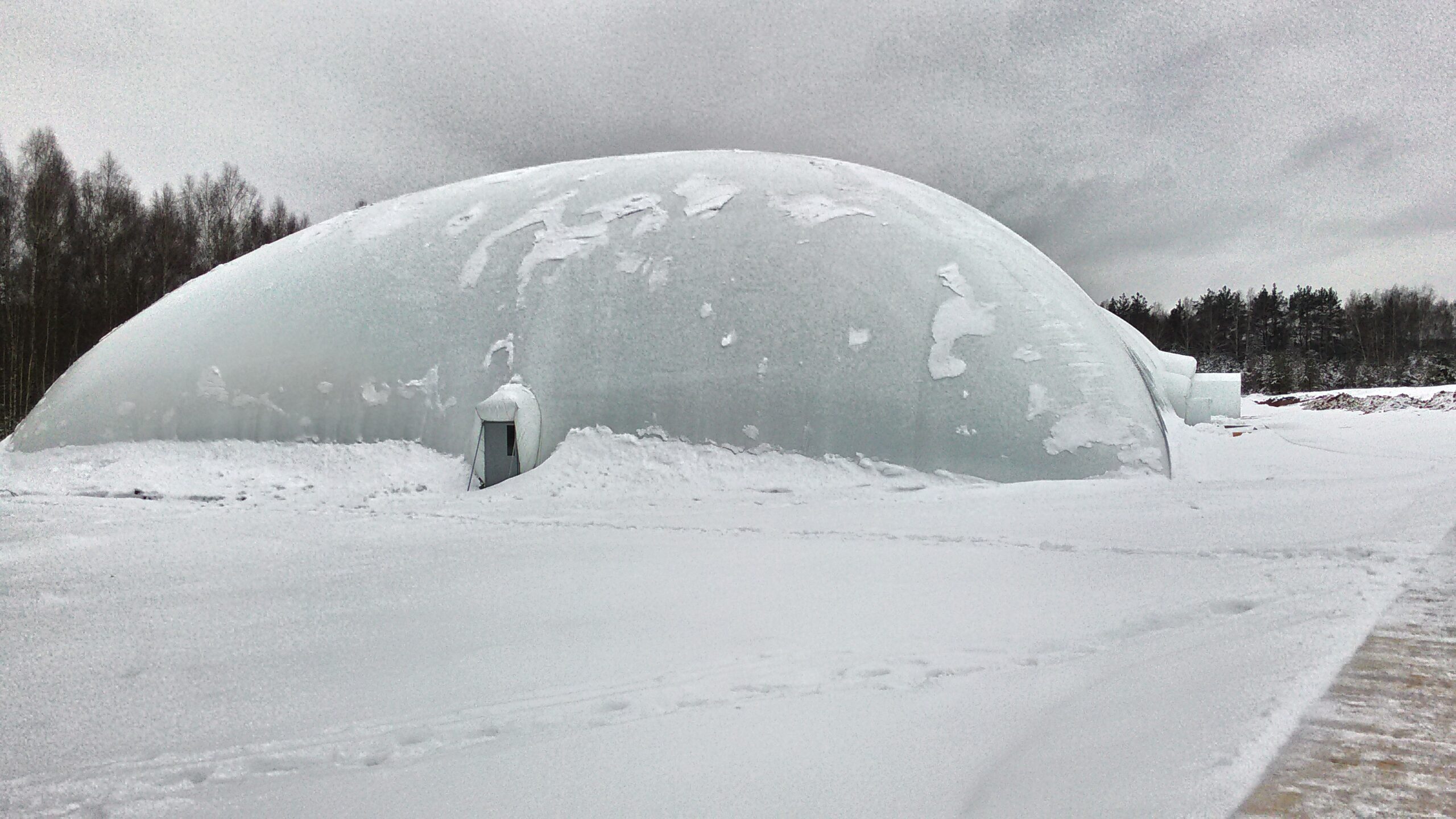
    Snow management remains a critical concern for dome operators throughout the winter season. It’s essential to have a snow management plan in place well ahead of the winter months. Here are some key steps to ensure your dome is prepared for the snowy season.

    Ensure Your Generator is Ready

    Blizzards can bring power outages, and without a functioning backup generator, a dome is at risk of deflation. Regularly test your generator to ensure it’s operational, fuelled, and can activate without delay when power loss occurs.

    Keep Your Furnace in Top Condition

    A well-maintained heating system is crucial. Activate your dome’s furnace prior to the onset of heavy snow. A consistent warm temperature inside the dome is a natural deterrent to snow accumulation, as it encourages snow to slide off the structure.

    Strategize Snow Removal

    As snow descends the dome’s sides, it accumulates at the base, particularly on the side facing the wind. It’s imperative to clear this buildup promptly to alleviate pressure on the dome’s structure. However, caution is vital—removal equipment, if not carefully handled, can damage the dome’s membrane.

    Proactive and thorough snow management is essential to safeguard your dome from the harsh impacts of winter weather. By following these steps, dome owners and operators can minimize the risk of snow-related emergencies and ensure their structures remain safe and functional throughout the season.

  • Installation Process

    Installation Process

    How to Install an Air Dome – A Step-by-Step Guide

    Installing an air dome is a streamlined process that transforms your space into a versatile, weather-protected facility. Whether you’re setting up a seasonal or permanent dome, following these steps ensures a smooth installation.

    Watch this video to understand the process better:

    Step 1: Confirm Site Location

    • Decide whether your dome will be seasonal or permanent
    • Check local zoning regulations and municipal requirements
    • Ensure there is sufficient space for anchoring and mechanical systems

    ‍Step 2: Plan Your Budget & Timeline

    • Estimate total costs, including foundation, infrastructure works, ground prep, and installation
    • Consider upgrades & accessories like HVAC, premium lighting, and skylights
    • Understand the production timeline (typically 12–24 weeks from contract signing)

    Step 3: Engage an Air Dome Provider

    • Select an experienced and responsive air dome supplier
    • Obtain stamped structural drawings for permits and approvals
    • Decide on mechanical systems (heating, AC, emergency power)

    Step 4: Obtain Necessary Permits

    • Submit engineering plans for permit approval
    • Ensure compliance with local zoning laws and building codes
    • Engage a team of A players for professional services (civil engineer, arhitect, general contractor, etc)

    Step 5: Construction & Site Preparation

    • Level the ground and prepare the foundation (grade beam, slab, or anchoring system)
    • Prepare the interior surface (turf, acrylic, or other materials based on use)

    Step 6: Schedule Delivery & Installation

    • Arrange for transportation, labor, and supervision
    • Install inflation, heating/cooling, and emergency backup systems
    • Inflate the dome and secure it to the foundation

    Step 7: Prepare for Routine Maintenance

    • Develop a maintenance & inspection schedule
    • Stock essential spare parts and tools for quick fixes, like extra lights
    • Plan for seasonal removal & reinstallation if applicable

    Get Started Today!

    By following these steps, you ensure a smooth and efficient air dome installation. If you need assistance, HeroX is here to help—contact us today to discuss your project!

    (702) 919-7179 

    ✉️ office@heroxairdomes.com

    ‍

    ‍

  • Is It Time For A New Air Dome?

    Is It Time For A New Air Dome?

    An air dome is an essential asset for sports and event spaces, but like any significant investment, it requires timely updates to maintain its efficiency and functionality. Recognizing when to replace an old air dome can be crucial for operational efficiency, safety, and cost-effectiveness. Here are some key indicators:

    1. Material Wear and Tear: The most evident sign of an air dome nearing the end of its useful life is the wear and tear of the material. This includes discoloration, thinning of the fabric, or brittleness, which are clear indicators of material fatigue due to prolonged exposure to environmental elements. Regular inspection for any damage such as rips, holes, or weakened areas is essential to assess the structural integrity of the dome.
    2. Outdated Design: If your air dome has an outdated design characterized by a bulky harness system and extra membranes, it’s probably time to consider an upgrade. Older designs often require a large crew, sometimes up to 40 people, for installation and maintenance, which is not only labor-intensive but also time-consuming and costly. Moreover, these older models are often not energy-efficient, leading to higher operational costs. Newer air dome designs offer streamlined, lightweight structures that are easier and more cost-effective to install and maintain. They often incorporate advanced materials that provide better insulation and UV protection, enhancing energy efficiency significantly.
    3. Energy Inefficiency: Older air domes tend to be less energy-efficient, which can lead to increased costs in maintaining a comfortable and stable internal environment. This is particularly crucial in regions with extreme weather conditions. Modern air domes are designed with energy efficiency in mind, using materials and structural designs that minimize energy consumption for heating or cooling. Upgrading to a newer, more energy-efficient model can result in substantial long-term savings and a reduced environmental footprint.

    In summary, if your air dome is showing signs of material wear, has an outdated and inefficient design, or is costing more to maintain a comfortable environment, it may be time to consider replacing it. Upgrading to a modern air dome can enhance user experience, ensure safety, and offer significant operational savings.

    ‍

  • 300+ Facility Funding Resources

    300+ Facility Funding Resources

    Here are 6 tips to finance and fundraise for sports facilities:

    1. Explore Private Financing: Seek financing options from banks, credit unions, or manufacturers/suppliers in the sports construction industry that offer installment plans.
    2. Consider Public-Private Partnerships: Partner with public or private entities to share costs and resources, such as schools and private universities or corporate entities.
    3. Organize Fundraising Campaigns: Form a dedicated committee involving stakeholders, parents, and local representatives. Regular meetings and professional fundraising help can enhance success.
    4. Sell Sponsorships: Generate revenue by selling sponsorships like naming rights or advertising packages, offering recognition to donors.
    5. Sublet Facility Usage: Rent out the facility to other clubs or groups to generate revenue and offset construction costs.
    6. Collect Donations: Engage with booster clubs, alumni, and local community members through targeted campaigns, events, and support associations.

    Remember to:

    • Maintain Public Relations: Keep the community informed through websites, social media, and real-world events.
    • Encourage In-Kind Donations: Seek support from local craftsmen or suppliers for material donations or unpaid labor.
    • Get Cost Estimates Early: Understand project costs upfront to plan fundraising effectively and bridge funding gaps.

    300+ Funding Resources:

    Click here to access the full document.

    Now go visit our air dome configurator to get an instant estimate for your future air dome.

    ‍

  • 4 Popular Air Dome Upgrades

    4 Popular Air Dome Upgrades

    Air domes, widely used for sports facilities, storage spaces, and more, offer unique opportunities for enhancement. While they primarily serve a functional purpose, there’s increasing interest in improving their aesthetic and operational aspects. Here are four popular upgrades for air domes that balance both form and function.

    1. Installing Skylights: Natural lighting is a game-changer for air domes. Skylights not only reduce reliance on artificial lighting during the day but also create a more pleasant, inviting interior atmosphere. They can be strategically placed to maximize daylight exposure while adding an architectural element to the dome’s appearance.
    2. Higher Energy Efficiency Membrane: Upgrading to a more energy-efficient membrane is both an environmentally conscious and cost-effective move. Newer materials offer better insulation, reducing heating and cooling costs. These membranes are not only functional but can also be designed in various colors and patterns to enhance the dome’s external appearance.
    3. Transition from Tunnel to Revolving Doors: Replacing traditional tunnel doors with revolving doors can significantly improve an air dome’s energy management. Revolving doors minimize the loss of heated or cooled air, maintaining a consistent internal climate. This upgrade is particularly beneficial for domes in regions with extreme weather conditions.
    4. Integrating Smart Capabilities: Modern technology allows for the integration of smart systems into air domes. These can include automated climate control, lighting systems, and even security features. Smart capabilities provide a higher level of control and efficiency, making it easier to manage the dome’s environment and security.

    Each of these upgrades not only enhances the functionality of an air dome but also contributes to its aesthetic appeal and operational efficiency. As with any significant investment, it’s essential to consult with specialists to determine the best options for your specific needs and goals.

    ‍

  • Air Dome Cleaning

    Air Dome Cleaning

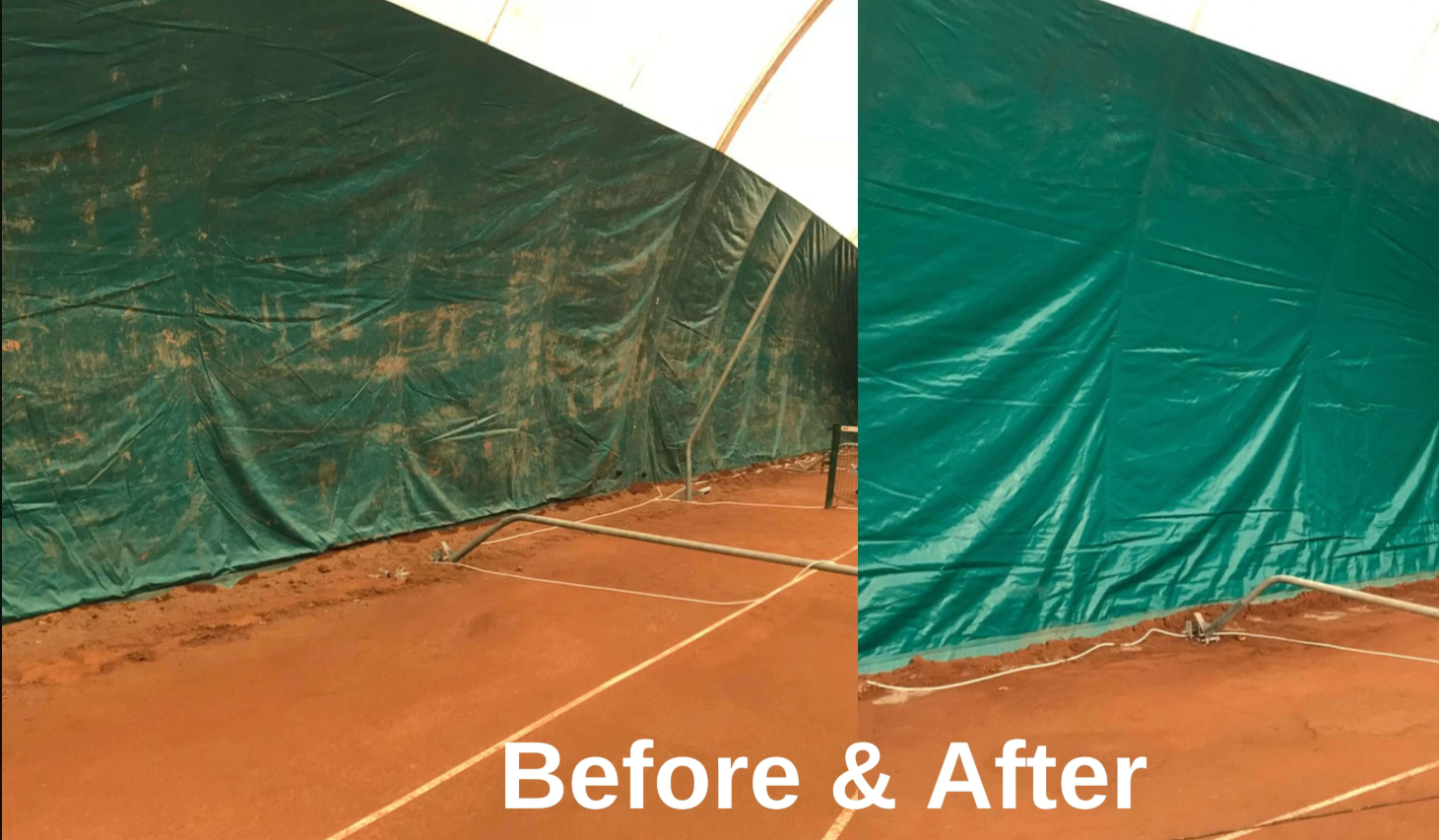
    Maintaining clean air domes is crucial for their longevity and effectiveness.

    1. Cleaning Techniques: Depending on the size and material of your air dome, different cleaning methods may be required. For most domes, gentle washing with a mild detergent and a soft-bristled brush can effectively remove dirt. For larger or more delicate structures, consider hiring professionals with the right equipment to handle the task safely.
    2. Preventive Measures: To minimize the need for frequent cleanings, take preventive measures such as storing the air dome during the summer season in a shed, not under direct sunlight. Also, ensure that the area surrounding the air dome is clean and free of debris that could be transferred to the dome’s fabric.‍
    3. Professional Assistance: If you’re unsure about the best way to clean your air dome or if it requires specialized care, don’t hesitate to call in experts. Professional cleaning services can provide the necessary equipment and expertise to clean your dome safely and effectively.

    Remember, a well-maintained air dome not only looks better but also performs better, ensuring a safe and comfortable environment for its users.

  • Air-Supported Structure Features

    Air-Supported Structure Features

    1. Customizable Design: Tailoring to Your Needs

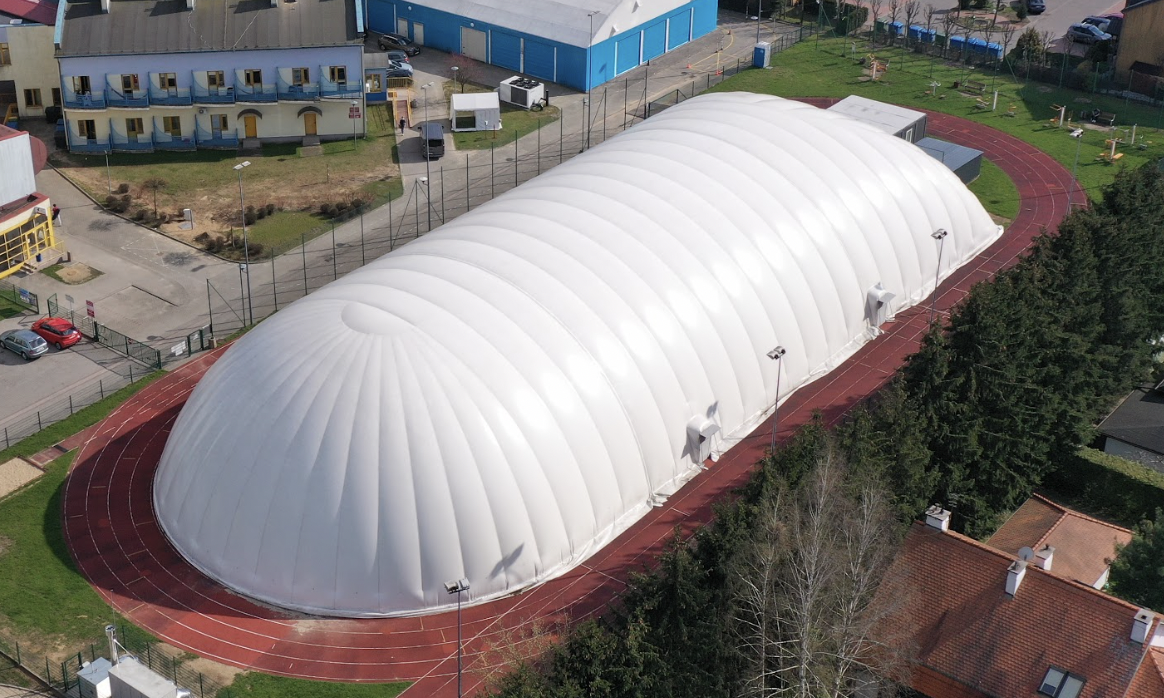
    ‍Air domes offer unparalleled customization. They can be constructed in any size to fit specific needs, ensuring that space is never a constraint. The outer fabric of these structures is not only durable but also comes in a variety of colors. This feature allows for aesthetic flexibility, making it possible to align the dome’s appearance with the surrounding environment or to adhere to branding requirements.

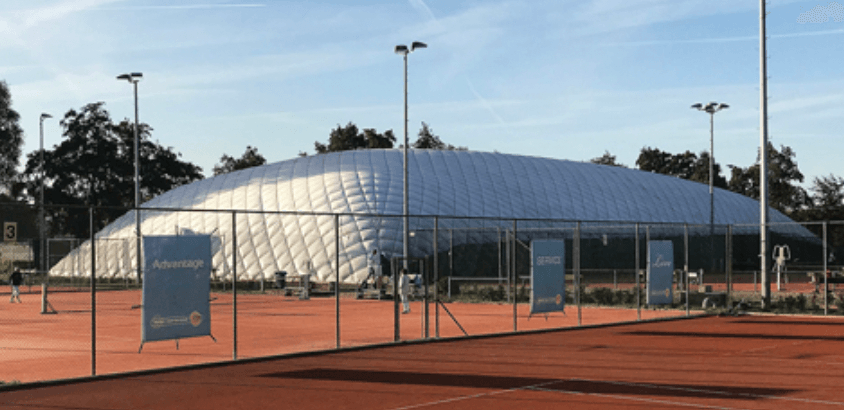
    2. Adaptable Structures: Fitting Any Tennis Facility

    ‍One of the most significant advantages of air domes is their adaptability. These structures can be erected over almost any existing venue, regardless of the location or the orientation. This flexibility is particularly beneficial for facilities looking to upgrade or weather-proof their existing infrastructure without the need for extensive modifications.

    3. Climate-Controlled Environment: Comfort in All Seasons

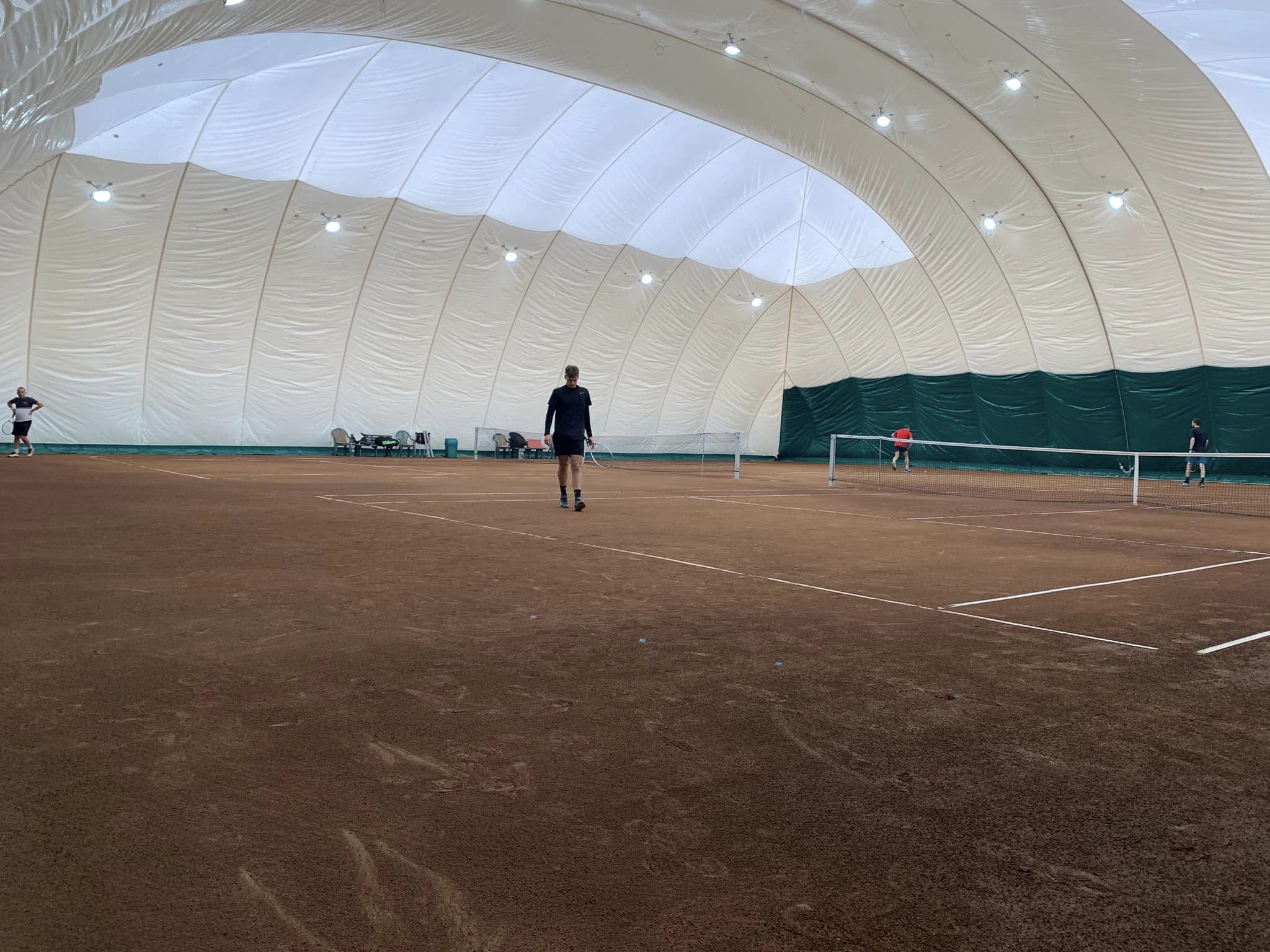
    ‍Air domes are equipped with insulated fabrics and powerful heating and air-conditioning units. This combination creates an ideal playing environment regardless of the weather outside. Whether it’s a chilly winter day or a hot summer afternoon, players can enjoy comfortable and consistent conditions inside the dome, making it a year-round sports destination.

    4. Multipurpose Use: More Than Just Sports

    ‍The versatility of air domes extends beyond sports. These structures are capable of housing multiple activities under one roof. From basketball to warehousing, air domes can be designed to accommodate a variety of activities, making them a multipurpose solution for any community.

    5. Seasonal Flexibility: Easy to Set Up and Take Down

    ‍Air domes are uniquely designed for seasonal use. They can be inflated and deflated in just a few hours, providing flexibility for locations that require temporary or seasonal sports facilities. This feature is particularly useful for areas where weather conditions vary dramatically throughout the year, allowing for the efficient utilization of outdoor spaces.

    6. Economical Solution: Cost-Effective for Large Spaces

    ‍When it comes to covering large, clear span spaces, air domes are the most cost-effective building system available. Their economical nature makes them an attractive option for many communities and sports organizations looking to expand their facilities without incurring the high costs associated with traditional building methods.

    In conclusion, air domes represent a blend of modern engineering and practical design, offering a range of features that make them an excellent choice for sports facilities and community centers. Their customizable, adaptable, climate-controlled, multipurpose, seasonal, and economical characteristics make them a versatile and efficient solution for a wide range of needs.

  • United States Favorite Indoor Sports: A Top 5 Countdown

    United States Favorite Indoor Sports: A Top 5 Countdown

    Indoor sports are increasingly popular in the U.S., offering year-round play regardless of weather. Here are the top five indoor sports, with tennis air domes by Herox enhancing the experience.

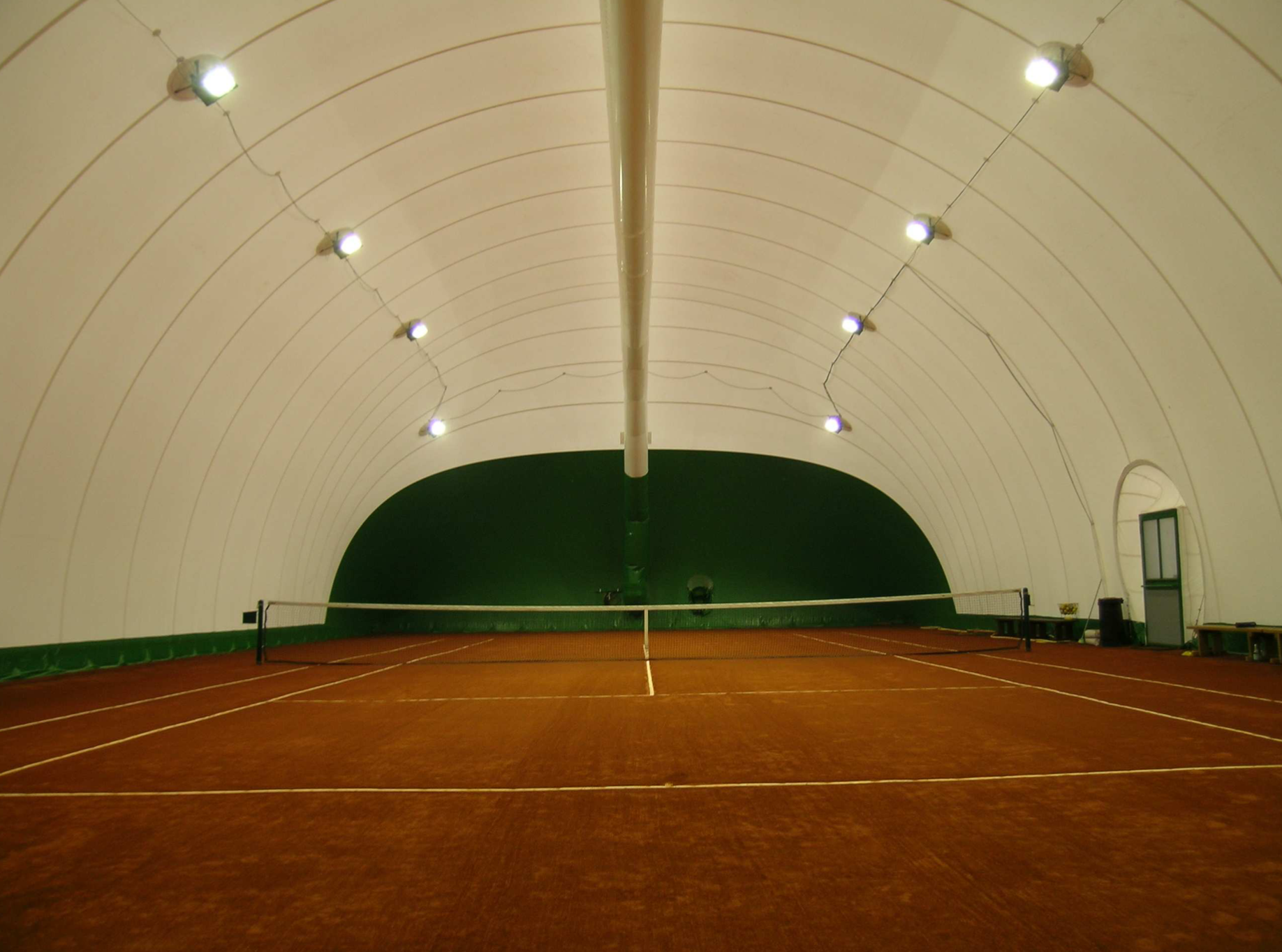
    1. Indoor Tennis: Growing in U.S. popularity, tennis is ideal for indoor play with Herox’s tennis bubbles. These air domes make tennis accessible in all seasons, especially in areas with long winters.
    2. Indoor Basketball: The most popular indoor sport in the U.S., basketball thrives indoors. Air-supported structures by Herox transform outdoor courts to indoor, ensuring basketball is always in season.
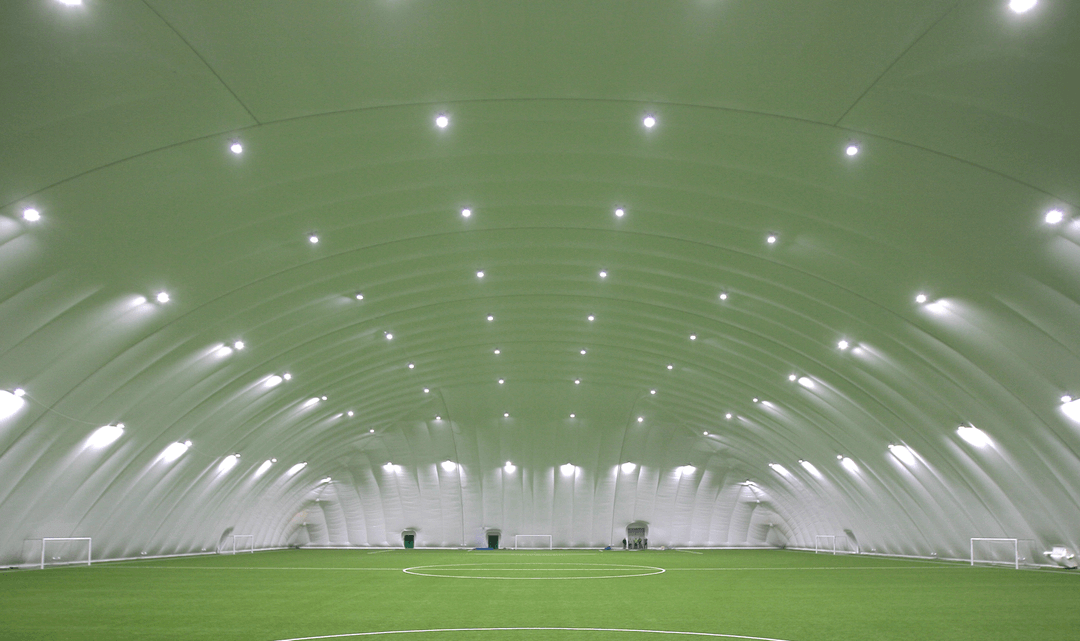
    3. Indoor Soccer: Boosted by the FIFA World Cup’s popularity, indoor soccer is on the rise, especially in colder regions. Herox’s air domes cater to this growing demand, supporting year-round play.
    4. Track and Field: Traditionally outdoor, track and field activities like running and jumping are moving indoors. Multisport air domes by Herox provide the necessary space for these diverse activities.
    5. Hockey: Mainly played indoors in the U.S., hockey requires specific conditions, often seen in northern states. While not typical for air domes, Herox could potentially accommodate hockey’s unique needs.

    Moving these sports indoors with Herox’s domes ensures they can continue throughout the year, regardless of external weather conditions.